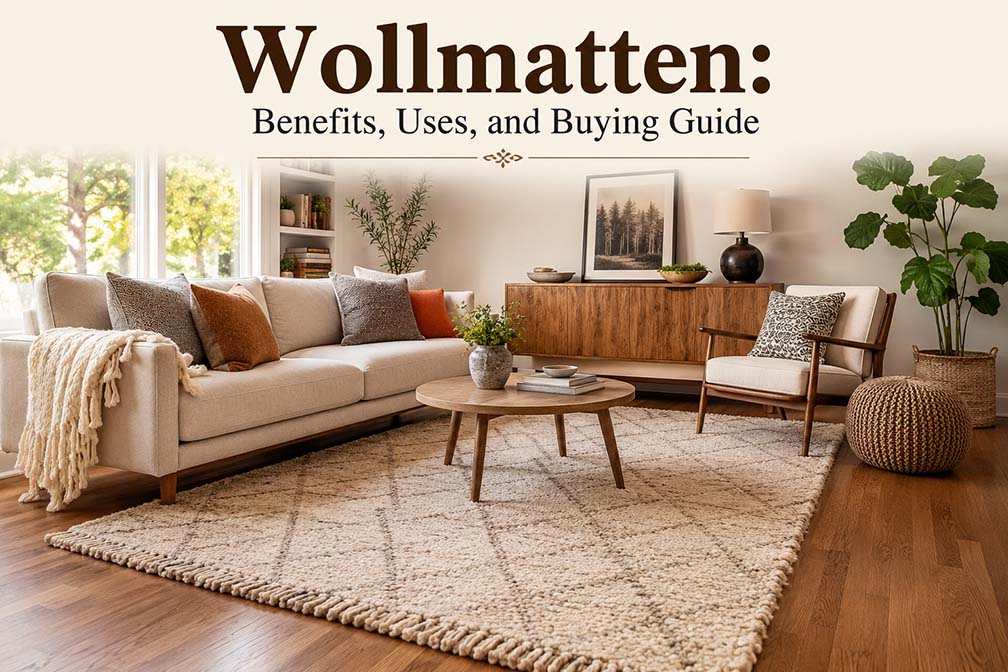
Wollmatten: Benefits, Uses, and Buying Guide
Introduction
Wollmatten have become increasingly popular among homeowners who value comfort, durability, and natural materials in their living spaces. Made primarily from wool fibers, these mats offer a unique combination of warmth, insulation, and aesthetic appeal that synthetic alternatives often struggle to match. Whether used in living rooms, bedrooms, hallways, or workspaces, wool-based mats can enhance both the functionality and appearance of a home. This guide explores their benefits, practical applications, maintenance requirements, and important factors to consider before making a purchase.
Understanding Wool Mats
Wool mats are floor coverings crafted from natural sheep wool. For centuries, wool has been prized for its durability, softness, and insulating properties. Modern manufacturing techniques have expanded the variety of designs, textures, and styles available, making wool mats suitable for both traditional and contemporary interiors.
Unlike synthetic floor coverings, wool is a renewable resource that offers several environmental and practical advantages. It naturally regulates temperature, absorbs moisture, and resists dirt, making it a preferred choice for many households.
Benefits of Wool Mats
Exceptional Comfort
One of the most noticeable advantages of wool mats is their softness underfoot. The natural crimp in wool fibers creates a cushioned surface that feels comfortable when walking, standing, or sitting.
Key comfort benefits include:
- Soft and plush texture
- Natural cushioning effect
- Reduced foot fatigue
- Added warmth during colder months
Excellent Insulation
Wool fibers contain tiny air pockets that act as natural insulators. This helps maintain indoor temperatures and improves overall comfort throughout the year.
Benefits of wool insulation include:
- Better heat retention in winter
- Improved energy efficiency
- Reduced heat loss through floors
- Enhanced room comfort
Durability and Longevity
High-quality wool mats can last for many years when properly maintained. Wool fibers are naturally elastic, allowing them to recover their shape after compression.
This durability means:
- Less flattening over time
- Better resistance to wear
- Long-term value for money
- Reduced replacement frequency
Natural Moisture Regulation
Wool can absorb and release moisture without feeling wet. This characteristic helps maintain a comfortable indoor environment and contributes to healthier living spaces.
Eco-Friendly Choice
As sustainability becomes more important, many consumers prefer natural materials. Wool is biodegradable, renewable, and often produced with a lower environmental impact compared to petroleum-based synthetic fibers.
Common Uses Around the Home
Living Rooms
Living rooms are among the most common places for wool mats. They add warmth, define seating areas, and create a welcoming atmosphere.
Popular uses include:
- Under coffee tables
- Beneath sofas
- Accent pieces in open-plan layouts
- Decorative focal points
Bedrooms
The softness and warmth of wool make it ideal for bedrooms. Stepping onto a soft wool surface in the morning can significantly improve comfort.
Benefits in bedrooms include:
- Added warmth near the bed
- Noise reduction
- Improved visual appeal
- Increased comfort
Hallways and Entryways
Durable wool mats can handle moderate foot traffic while maintaining their appearance. They help protect flooring and create an inviting entrance.
Home Offices
As remote work continues to grow, many homeowners seek ways to improve office comfort. Wool mats provide:
- Better acoustic performance
- Added insulation
- Enhanced visual warmth
- Improved workspace aesthetics
Health and Indoor Air Quality Benefits
Natural Dust Resistance
Wool fibers naturally resist dust accumulation better than many synthetic materials. This can help reduce the amount of airborne particles in indoor environments.
Improved Indoor Comfort
Wool helps regulate humidity by absorbing excess moisture and releasing it when conditions become drier. This contributes to a more balanced indoor atmosphere.
Low Static Electricity
Unlike many synthetic fibers, wool generates very little static electricity. This can reduce discomfort and help prevent static-related issues in homes and offices.
Different Types of Wool Mats
Pure Wool Mats
Made entirely from natural wool fibers, these offer maximum performance and authenticity. They typically provide the best insulation and comfort.
Advantages:
- Premium quality
- Natural appearance
- Superior insulation
- Long lifespan
Wool Blend Mats
These combine wool with other fibers such as cotton, jute, or synthetic materials. They are often more affordable while still offering many benefits of wool.
Advantages:
- Lower cost
- Wider design options
- Good durability
- Easier maintenance
Handwoven Wool Mats
Handcrafted mats are valued for their unique appearance and craftsmanship. Each piece may feature subtle variations that add character.
Machine-Made Wool Mats
These products provide consistent quality and are often available in a broader range of sizes and styles.
How to Choose the Right Wool Mat
Consider Room Size
Selecting the correct size is essential for both appearance and functionality.
General guidelines:
- Large rooms benefit from larger mats that anchor furniture.
- Small rooms may require compact designs that do not overwhelm the space.
- Hallways typically need runner-style mats.
Evaluate Pile Height
Pile height refers to the thickness of the fibers.
Low pile:
- Easier to clean
- Suitable for high-traffic areas
- More practical for entryways
High pile:
- Softer feel
- Greater comfort
- Ideal for bedrooms and lounges
Match Your Interior Style
Wool mats are available in various colors, patterns, and textures.
Popular styles include:
- Minimalist neutrals
- Scandinavian-inspired designs
- Traditional patterns
- Contemporary geometric motifs
Check Construction Quality
Before purchasing, examine:
- Fiber density
- Edge finishing
- Backing materials
- Manufacturing standards
A well-constructed mat generally lasts longer and maintains its appearance more effectively.
Maintenance and Care Tips
Regular Vacuuming
Routine vacuuming helps remove dirt before it becomes embedded in the fibers.
Recommended frequency:
- Weekly for low-traffic areas
- Two to three times weekly for busy areas
Address Spills Quickly
Prompt cleaning helps prevent stains from setting.
Basic steps:
- Blot the spill immediately.
- Avoid rubbing the fibers.
- Use a mild cleaning solution if necessary.
- Allow the area to dry completely.
Rotate Periodically
Rotating the mat every few months promotes even wear and helps maintain its appearance.
Professional Cleaning
Occasional professional cleaning can extend the life of a wool mat and restore its original beauty.
Comparing Wool Mats and Synthetic Mats
| Feature | Wool Mats | Synthetic Mats |
|---|---|---|
| Comfort | Excellent | Moderate |
| Durability | High | Moderate to High |
| Insulation | Excellent | Limited |
| Sustainability | Renewable | Petroleum-based |
| Static Resistance | High | Lower |
| Moisture Management | Excellent | Limited |
| Longevity | Often longer | Varies |
This comparison highlights why many homeowners view wool as a premium flooring material.
Environmental Advantages
Growing environmental awareness has increased interest in natural home products.
Wool offers several sustainability benefits:
- Renewable resource
- Biodegradable material
- Long service life
- Reduced waste generation
- Natural production cycle
For additional information about sustainable wool standards and responsible wool production, readers can visit the official website of the International Wool Textile Organisation (IWTO): https://iwto.org
Common Mistakes to Avoid When Buying
Many buyers focus solely on appearance and overlook important practical considerations.
Avoid these mistakes:
- Choosing the wrong size
- Ignoring room traffic levels
- Overlooking maintenance requirements
- Purchasing based only on price
- Selecting colors that clash with existing décor
Careful planning can help ensure long-term satisfaction.
Are Wool Mats Worth the Investment?
Although wool mats generally cost more than synthetic alternatives, many homeowners find the investment worthwhile due to their durability, comfort, and timeless appeal.
Reasons they offer value include:
- Long lifespan
- Enhanced comfort
- Natural beauty
- Better insulation
- Eco-friendly characteristics
For households seeking quality and longevity, wool often delivers superior overall performance.
FAQs
What are wool mats made from?
Most wool mats are made from sheep wool, either entirely or blended with other natural or synthetic fibers depending on the product design and price range.
Are wool mats suitable for high-traffic areas?
Yes. High-quality wool fibers are naturally resilient and can withstand moderate to heavy foot traffic when properly maintained.
Do wool mats require special cleaning?
Regular vacuuming and prompt stain treatment are usually sufficient. Professional cleaning is recommended occasionally for long-term care.
Are wool mats environmentally friendly?
Yes. Wool is a renewable, biodegradable natural fiber that is generally considered more sustainable than many synthetic alternatives.
Can wool mats help with insulation?
Absolutely. Wool’s natural structure traps air, helping improve thermal insulation and indoor comfort throughout the year.
Conclusion
For homeowners seeking a blend of comfort, durability, sustainability, and timeless style, Wollmatten remain an excellent flooring solution. Their natural insulating properties, attractive appearance, and long-lasting performance make them suitable for a wide range of living spaces. By understanding the available types, maintenance needs, and purchasing considerations, you can choose a wool mat that enhances both the beauty and functionality of your home for years to come.
Read Also: Jernsenger: The Ultimate Guide