
MSNOM in 2026: Features, Uses, and Benefits
Introduction
Technology continues to evolve at a rapid pace, introducing new concepts, platforms, and digital frameworks that help organizations improve efficiency and innovation. One term that has recently attracted attention in technology discussions is MSNOM. While the exact meaning can vary depending on the industry or implementation, it is generally associated with modern digital networking, service management, and operational optimization. As businesses increasingly rely on automation, cloud computing, and data-driven decision-making, understanding emerging technology concepts becomes more important than ever.
In this article, we explore the key features, practical uses, benefits, challenges, and future outlook surrounding this technology-related concept in 2026.
Understanding the Concept
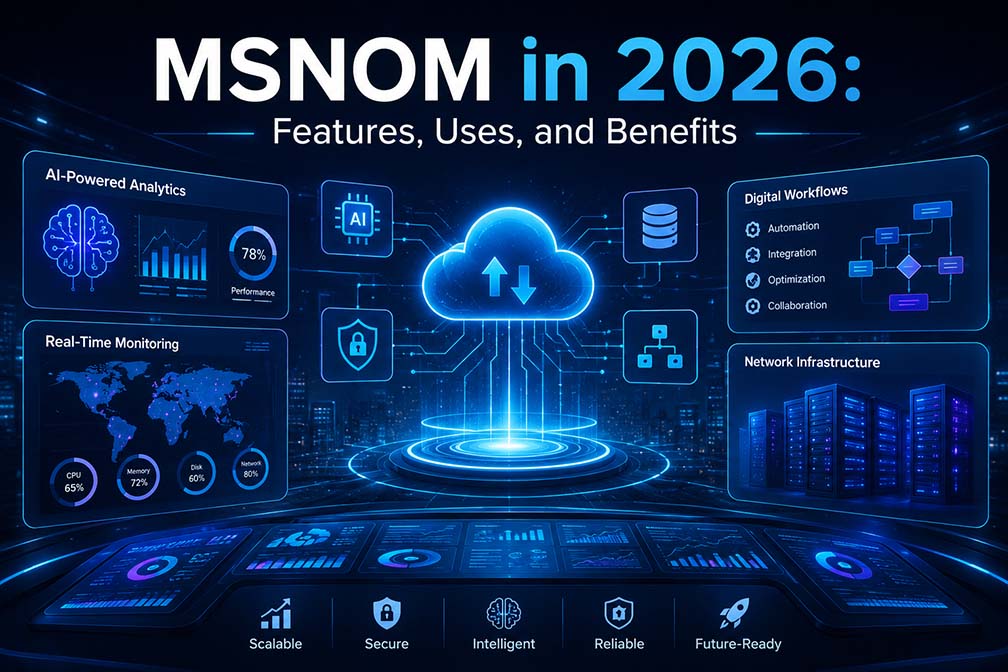
The technology landscape often creates new frameworks and operational models designed to improve communication, management, and service delivery. Many organizations use specialized systems that integrate network management, monitoring tools, cloud infrastructure, and automation capabilities into a single environment.
These systems are designed to:
• Improve operational visibility
• Streamline digital workflows
• Support scalable infrastructure
• Enhance service delivery
• Reduce manual administrative tasks
Modern enterprises increasingly require centralized platforms capable of managing complex environments that include cloud resources, networking components, applications, security tools, and user services.
Why Such Technologies Matter in 2026
Organizations today face challenges that were far less significant a decade ago. The growth of remote work, hybrid infrastructure, artificial intelligence, edge computing, and cybersecurity requirements has created a need for more intelligent management solutions.
Key drivers include:
Growing Network Complexity
Businesses now operate across multiple environments, including:
• Public cloud platforms
• Private data centers
• Hybrid cloud deployments
• Edge computing locations
Managing these systems manually is no longer practical.
Increased Automation Requirements
Automation has become a core component of digital transformation strategies. Companies seek solutions that can automate routine tasks such as:
• Resource allocation
• Service provisioning
• Performance monitoring
• Incident response
• Configuration management
Real-Time Data Visibility
Decision-makers need access to accurate operational data in real time. Modern management systems provide dashboards and analytics that support informed decision-making.
Core Features
Although implementations may differ across organizations and vendors, several common capabilities are often associated with advanced service and network management environments.
Centralized Management
One of the most valuable features is centralized control. Administrators can monitor multiple systems through a single interface rather than managing each environment separately.
Benefits include:
• Reduced complexity
• Faster troubleshooting
• Improved operational consistency
• Better governance
Automation Workflows
Automation remains one of the defining characteristics of modern IT management.
Typical automation capabilities include:
• Automated deployments
• Scheduled maintenance tasks
• Event-triggered actions
• Self-healing processes
• Policy enforcement
Automation reduces human error and increases operational efficiency.
Advanced Monitoring
Continuous monitoring allows organizations to identify issues before they become major problems.
Monitoring functions may include:
• System performance tracking
• Application monitoring
• Network health analysis
• Security event detection
• Resource utilization measurement
Scalability
As organizations grow, technology platforms must scale accordingly.
Scalable architectures support:
• Additional users
• Expanded infrastructure
• Increased workloads
• Geographic expansion
• New digital services
Security Integration
Cybersecurity remains a top concern in 2026.
Modern management platforms often integrate:
• Access controls
• Authentication systems
• Threat detection
• Compliance monitoring
• Security analytics
These features help organizations maintain stronger security postures.
Common Uses Across Industries
Technology management solutions are utilized across a wide range of sectors.
Enterprise IT Operations
Large organizations rely on centralized systems to manage:
• Servers
• Applications
• Databases
• User accounts
• Network infrastructure
This improves efficiency and reduces administrative overhead.
Telecommunications
Telecommunications providers manage complex networks that require constant monitoring and optimization.
Common applications include:
• Service delivery
• Network monitoring
• Performance management
• Capacity planning
• Customer support operations
Cloud Infrastructure Management
Cloud adoption continues to increase globally.
Organizations use management platforms to:
• Track cloud resources
• Monitor spending
• Improve performance
• Enhance security
• Optimize workloads
Healthcare Technology
Healthcare providers depend on reliable digital systems.
Technology management solutions help support:
• Electronic health records
• Telemedicine platforms
• Patient management systems
• Data security requirements
• Regulatory compliance
Financial Services
Banks and financial institutions require highly secure and reliable environments.
Management platforms assist with:
• Transaction monitoring
• Security controls
• Compliance reporting
• Infrastructure management
• Risk reduction
Key Benefits for Organizations
The adoption of modern management technologies delivers measurable advantages.
Improved Operational Efficiency
Automation and centralized management significantly reduce repetitive manual tasks.
Organizations benefit from:
• Faster workflows
• Lower administrative burden
• Reduced operational costs
• Increased productivity
Better User Experience
Reliable systems create better experiences for both employees and customers.
Benefits include:
• Reduced downtime
• Faster response times
• Improved service availability
• More consistent performance
Enhanced Decision-Making
Access to accurate analytics helps leaders make informed strategic decisions.
Data-driven insights support:
• Capacity planning
• Resource allocation
• Risk management
• Performance optimization
Reduced Downtime
Proactive monitoring allows teams to identify and resolve issues before they impact users.
This results in:
• Greater reliability
• Higher availability
• Improved customer satisfaction
• Stronger business continuity
Future Readiness
Organizations that invest in scalable digital management solutions are better prepared for future growth and technological change.
Challenges and Considerations
Despite the advantages, organizations should also consider potential challenges.
Initial Implementation Complexity
Deploying advanced management systems often requires:
• Planning
• Staff training
• Infrastructure assessments
• Integration work
Organizations should allocate sufficient resources for implementation.
Cost Considerations
While long-term savings can be substantial, initial investments may include:
• Software licensing
• Infrastructure upgrades
• Consulting services
• Employee training
Integration Requirements
Many organizations operate legacy systems that must integrate with newer technologies.
Successful deployment depends on:
• Compatibility assessments
• Data migration planning
• Security reviews
• Testing procedures
Skills Gap
Advanced technology environments often require specialized expertise.
Companies may need to:
• Train existing staff
• Hire skilled professionals
• Partner with technology providers
The Role of Artificial Intelligence
Artificial intelligence is transforming technology management in 2026.
AI-powered systems can:
• Predict failures
• Detect anomalies
• Recommend optimizations
• Automate responses
• Improve resource utilization
Machine learning algorithms continue to improve operational efficiency and reduce the need for manual intervention.
According to research and technology industry analysis from organizations such as the Gartner Research Portal, AI-driven operations and automation platforms are becoming increasingly important for enterprise technology management.
Future Trends
Several trends are expected to shape the future of technology management solutions.
Hyperautomation
Organizations are moving beyond simple automation toward fully integrated automated processes.
Cloud-Native Architectures
Cloud-first strategies continue to influence how digital services are designed and managed.
Predictive Analytics
Predictive technologies will help organizations anticipate problems before they occur.
Stronger Cybersecurity Integration
Security capabilities will become more deeply embedded into management platforms.
Edge Computing Expansion
As edge computing grows, organizations will require tools capable of managing distributed environments effectively.
Best Practices for Successful Adoption
Organizations considering modern management solutions should follow several best practices.
- Define clear business objectives.
- Conduct infrastructure assessments.
- Prioritize security from the beginning.
- Invest in staff training.
- Implement automation gradually.
- Continuously monitor performance metrics.
- Review and optimize configurations regularly.
Following these practices improves adoption success and long-term value.
FAQs
What is MSNOM?
The term is generally associated with modern technology environments focused on network operations, service management, monitoring, automation, and digital infrastructure optimization. Specific definitions may vary depending on the organization or industry.
Why is it important in 2026?
Organizations face increasing complexity due to cloud computing, artificial intelligence, remote work, and cybersecurity demands. Modern management frameworks help address these challenges efficiently.
Which industries benefit the most?
Industries such as telecommunications, healthcare, financial services, cloud computing, manufacturing, and enterprise IT operations can benefit significantly from advanced management technologies.
Does it support automation?
Yes. Automation is one of the primary advantages, helping organizations reduce manual workloads, improve consistency, and accelerate service delivery.
Can small businesses use these solutions?
Many modern platforms offer scalable deployment options suitable for both small businesses and large enterprises.
Conclusion
As digital ecosystems continue to grow in complexity, organizations need smarter ways to manage infrastructure, services, applications, and data. MSNOM represents the broader shift toward centralized management, automation, scalability, analytics, and operational efficiency. Businesses that embrace these capabilities can improve performance, strengthen security, reduce costs, and position themselves for long-term success in an increasingly technology-driven world.
Read Also: What Is nxnn? A Quick Beginner’s Guide


