
What Is Camehoresbay? Complete Guide for Beginners
Introduction
In today’s fast digital world, people are always searching for new platforms, tools, and online systems that can help them work smarter, manage tasks better, and understand new technology trends. Camehoresbay is one of those terms that has started appearing online, especially in discussions around digital platforms, business growth, workflow management, and online innovation. For beginners, the name may sound confusing at first, but the idea behind it is simple: it points toward a modern digital space where users, creators, entrepreneurs, and businesses can explore better ways to organize, connect, and grow online.
What Is Camehoresbay?
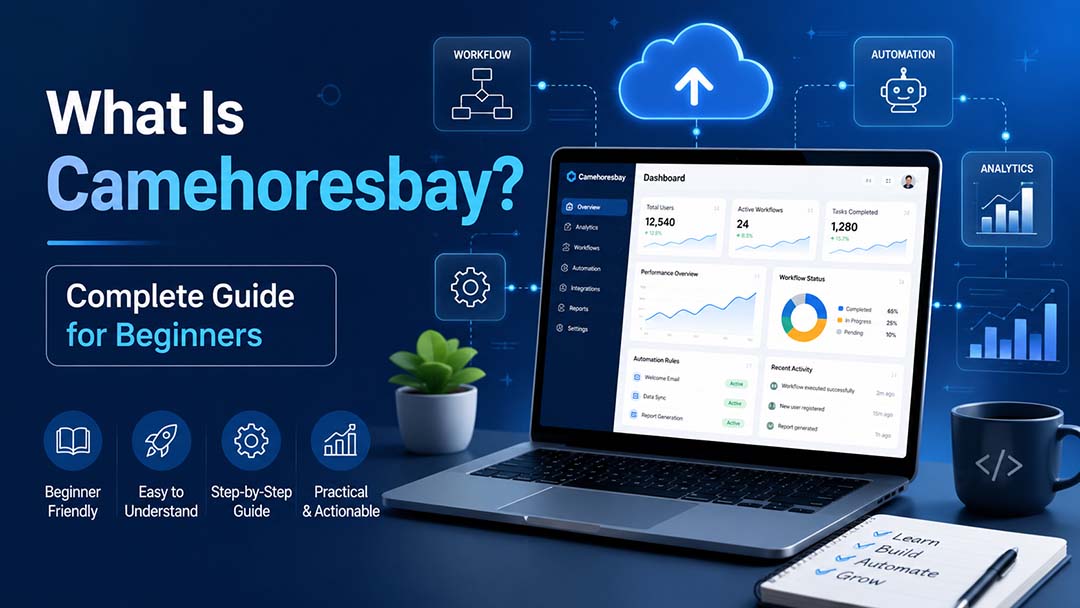
Camehoresbay can be understood as an emerging digital concept linked with online business tools, workflow systems, collaboration, and digital growth. It is not yet a widely known mainstream brand like Google Workspace, Trello, Notion, or Slack, but online discussions describe it as a modern platform-style idea focused on helping people manage digital activities in one place.
For beginners, the easiest way to understand it is this:
It represents a digital space where users may connect ideas, manage work, improve processes, and explore business or creative opportunities through online tools.
The reason people are searching for it is because many new digital terms appear before they become fully clear. Some are platforms, some are brands, some are concepts, and some are niche online communities. This is why beginners should not treat every online description as final. Instead, they should understand the core idea, compare information, and look at how the term is being used across different sources.
Why Is This Term Getting Attention?
The online world changes quickly. New platforms, tools, communities, and digital names appear almost every week. Some become useful products, while others stay as trends or content topics. Camehoresbay is gaining attention because it is being discussed in connection with areas that matter to modern users, such as:
- Digital business growth
- Online workflow management
- Creative collaboration
- Automation and productivity
- Entrepreneur support
- Community-based learning
- Digital identity and branding
Beginners are naturally curious because the name is unusual and not self-explanatory. A person searching for it may want to know whether it is a tool, a business platform, a technology trend, or just a new online concept.
The safest answer is that it is best viewed as an emerging digital platform concept until more official information becomes available.
How Does It Fit Into the Technology Category?
Technology is not only about hardware, coding, or artificial intelligence. It also includes systems that help people work, communicate, organize data, automate tasks, and make better decisions. This is where the idea fits naturally.
Modern technology platforms often solve common problems like:
- Too many tools for simple tasks
- Poor communication between team members
- Manual work that wastes time
- Lack of clear data
- Difficulty managing online projects
- Weak connection between business goals and daily work
If a digital platform brings work, communication, automation, and tracking into one environment, it can save time and reduce confusion. That is why workflow-based tools are becoming more important for small businesses, creators, remote teams, and online entrepreneurs.
External authority resource: IBM explains workflow automation here:
https://www.ibm.com/think/topics/workflow-automation
Main Features Beginners Should Understand
Because this is still an emerging topic, beginners should focus on the likely feature areas rather than assuming every online claim is confirmed. Based on how the term is being used, the concept is usually linked with the following digital features.
1. Workflow Management
Workflow management means organizing steps in a task or business process. For example, if a small business receives a customer request, assigns it to a team member, tracks progress, sends updates, and closes the task, that is a workflow.
A useful digital platform can help users:
- Create tasks
- Assign responsibilities
- Set deadlines
- Track progress
- Reduce repeated manual work
- Keep records in one place
This is helpful for beginners because many people start with scattered systems. They use WhatsApp for messages, Google Sheets for tracking, email for updates, and notebooks for planning. Over time, this becomes hard to manage.
2. Digital Collaboration
Collaboration is one of the biggest needs in online work. Whether someone runs a blog, manages a small agency, creates digital products, or handles clients, teamwork matters.
A collaboration-focused platform may help users:
- Share ideas
- Discuss projects
- Upload files
- Give feedback
- Track changes
- Communicate in a structured way
For beginners, this means less confusion and fewer missed updates. Instead of searching through long message threads, users can keep important work organized.
3. Automation Support
Automation means using software to handle repeated tasks. This does not mean replacing every human decision. It means saving time on simple, repeated actions.
Examples include:
- Sending automatic email replies
- Moving a task to the next stage
- Creating reminders
- Updating a dashboard
- Collecting form responses
- Notifying team members
Automation is useful because it reduces human error and frees people to focus on work that needs judgment, creativity, or personal attention.
4. Data and Insights
Modern platforms are valuable when they help users understand what is happening. A simple dashboard can show important information such as completed tasks, pending work, user activity, sales progress, or customer requests.
For a beginner, data can answer questions like:
- Which task is delayed?
- Which project needs attention?
- Which team member has too much work?
- Which process is taking the most time?
- Which content or campaign is performing better?
Good data turns guesswork into clearer decisions.
Who Can Use Camehoresbay?
Camehoresbay may be useful for several types of users if it develops as a practical digital platform or business tool.
Small Business Owners
Small business owners often manage many things at once. They handle customers, sales, marketing, staff, records, and daily operations. A digital platform can help them bring these tasks into a more organized system.
For example, a service business could use it to track leads, assign follow-ups, manage customer notes, and review performance.
Entrepreneurs and Startups
Startups need speed, clarity, and flexible systems. They cannot afford messy workflows or lost information. A beginner-friendly platform can help founders organize ideas, manage early customers, and test business processes.
Startups also benefit from collaboration tools because small teams often work remotely or across different time zones.
Content Creators
Creators need more than creativity. They also need planning, publishing, editing, audience tracking, and brand management. A digital workspace can help creators plan content calendars, store ideas, manage collaborations, and review performance.
This can be useful for bloggers, YouTubers, social media managers, designers, and writers.
Freelancers
Freelancers deal with clients, deadlines, invoices, revisions, and communication. A well-organized system can help them look more professional and avoid missed work.
For example, a freelancer can manage client projects by stages such as inquiry, proposal, active work, review, payment, and completed.
Remote Teams
Remote teams need clear communication because they do not sit in the same office. A digital platform can help them stay aligned, track progress, and reduce confusion.
This is especially useful for marketing teams, software teams, virtual assistants, agencies, and online service providers.
Benefits for Beginners
Beginners should not focus only on the name. They should focus on the possible value behind the concept. If a digital platform helps people organize work and reduce friction, it can offer several benefits.
Better Organization
When everything is scattered, work feels harder than it really is. Organized dashboards, task lists, and shared files make daily work easier.
Time Saving
Repeated tasks take up hours every week. Automation and templates can save time, especially for small teams with limited staff.
Clearer Communication
A shared workspace helps everyone see updates in one place. This reduces repeated questions and missed messages.
Smarter Decisions
Data and reports help users understand what is working and what needs improvement.
Easier Scaling
A business that depends only on memory and manual tracking becomes harder to grow. Systems make scaling easier because processes are clear and repeatable.
Possible Limitations and Things to Check
Since this topic is still not widely documented by major technology websites, users should be careful before trusting big claims. Beginners should check the following points before signing up for any platform using this name or a similar name.
1. Official Website and Ownership
Always check whether the platform has an official website, clear company information, and real contact details. A genuine technology platform should not hide basic information.
2. Privacy Policy
If a platform collects emails, business data, files, or customer information, it must explain how that data is used and protected.
3. Security Features
Look for basic security features such as SSL, account protection, password safety, and data handling policies. If payments or sensitive data are involved, security becomes even more important.
4. Real User Reviews
Do not rely only on promotional content. Search for independent reviews, user feedback, and trusted mentions.
5. Pricing Transparency
A useful platform should explain its pricing clearly. Hidden charges and unclear plans are warning signs.
6. Customer Support
Beginners often need help during setup. Check whether the platform offers support through email, chat, help center, tutorials, or documentation.
How Beginners Can Approach This Topic Safely
If you are new to digital platforms, do not rush. Take a careful step-by-step approach.
First, understand what problem you want to solve. Are you trying to manage tasks, automate work, track customers, organize content, or build a digital community?
Second, compare the concept with known tools. For workflow, compare it with Trello, Asana, ClickUp, Notion, or Monday.com. For automation, compare it with Zapier, Make, or n8n. For community, compare it with Discord, Circle, or Slack.
Third, look for signs of trust. A real platform should have clear information, helpful documentation, and realistic claims.
Fourth, start small. If there is a free plan or demo, use it before committing money or adding important business data.
Is It a Platform, Brand, or Concept?
This is one of the most common beginner questions. At the moment, the term appears to be used in different ways online. Some descriptions present it like a digital business platform. Others discuss it more like a broad concept connected with innovation, creativity, and online growth.
That means beginners should avoid one fixed assumption. It may be:
- A developing platform name
- A digital business concept
- A niche online trend
- A content topic used by technology blogs
- A brand term that still needs clearer public information
This is why fact-checking matters. When a term is new or unclear, the best approach is to explain it honestly rather than making unsupported claims.
How It Relates to Digital Transformation
Digital transformation means using technology to improve how work gets done. It can include moving from paper records to cloud tools, replacing manual tasks with automation, using dashboards for decisions, and improving customer communication.
The idea behind Camehoresbay connects with digital transformation because it points toward a more organized and connected way of working online.
For example:
- A business can replace manual tracking with dashboards.
- A creator can replace random ideas with a content system.
- A team can replace scattered messages with structured collaboration.
- A freelancer can replace messy client handling with clear project stages.
This is the kind of practical value people expect from modern digital tools.
Common Use Cases
Here are some simple use cases that help explain the idea better.
Project Planning
Users can plan tasks, assign responsibilities, and track progress from start to finish.
Content Management
Bloggers and creators can plan topics, drafts, publishing dates, and promotional tasks.
Client Management
Freelancers and agencies can track leads, client communication, project status, and payments.
Team Collaboration
Teams can manage shared work without depending only on email or messaging apps.
Process Automation
Businesses can automate small tasks such as reminders, status updates, and notifications.
SEO Value of Writing About This Topic
From an SEO point of view, writing about new or low-competition terms can be useful if the content is honest, helpful, and not stuffed with keywords. Many websites make the mistake of repeating the target keyword too many times without actually explaining the topic.
A better approach is to answer real beginner questions:
- What does the term mean?
- Why are people searching for it?
- Is it a tool or a concept?
- Who can use it?
- What should users check before trusting it?
- What are the possible benefits and limits?
This creates helpful content instead of thin content.
Future Possibilities
If the term continues to grow, it may become more clearly defined. It could develop into a platform, a business tool, a digital community, or a broader technology trend. The future depends on whether it gains real users, official documentation, practical features, and trust in the market.
For now, beginners should treat it as an emerging technology-related topic and keep checking updated sources.
FAQs
What is Camehoresbay in simple words?
It is best understood as an emerging digital platform concept connected with online business, workflow management, collaboration, and digital growth. Since information is still limited, beginners should treat it carefully and verify official details.
Is Camehoresbay a real technology platform?
Online sources describe it as a platform or digital concept, but there is limited mainstream documentation available. Users should check official sources, reviews, privacy details, and security information before using any related service.
Who should learn about this topic?
Small business owners, freelancers, creators, entrepreneurs, and remote teams may find the topic useful because it connects with digital organization, automation, and online collaboration.
Why is workflow automation important in this context?
Workflow automation helps reduce repeated manual tasks and makes processes easier to manage. This is useful for businesses and individuals who want to save time, reduce mistakes, and work in a more organized way.
How can beginners use this information?
Beginners can use this guide to understand the basic meaning, possible benefits, safety checks, and practical use cases before exploring the term further or using any related platform.
Conclusion
Camehoresbay is an emerging technology-related term that appears to connect with digital platforms, workflow management, collaboration, automation, and online business growth. While the available information is still developing, beginners can understand it as a modern digital concept focused on helping people organize work, improve processes, and explore smarter ways to grow online. The best approach is to stay practical, compare it with trusted tools, check security and privacy details, and avoid believing unsupported claims until clearer official information becomes available.
Read Also: Quikernews: Latest Tech and Digital News


