
What Is Masgonzola? Everything You Need to Know
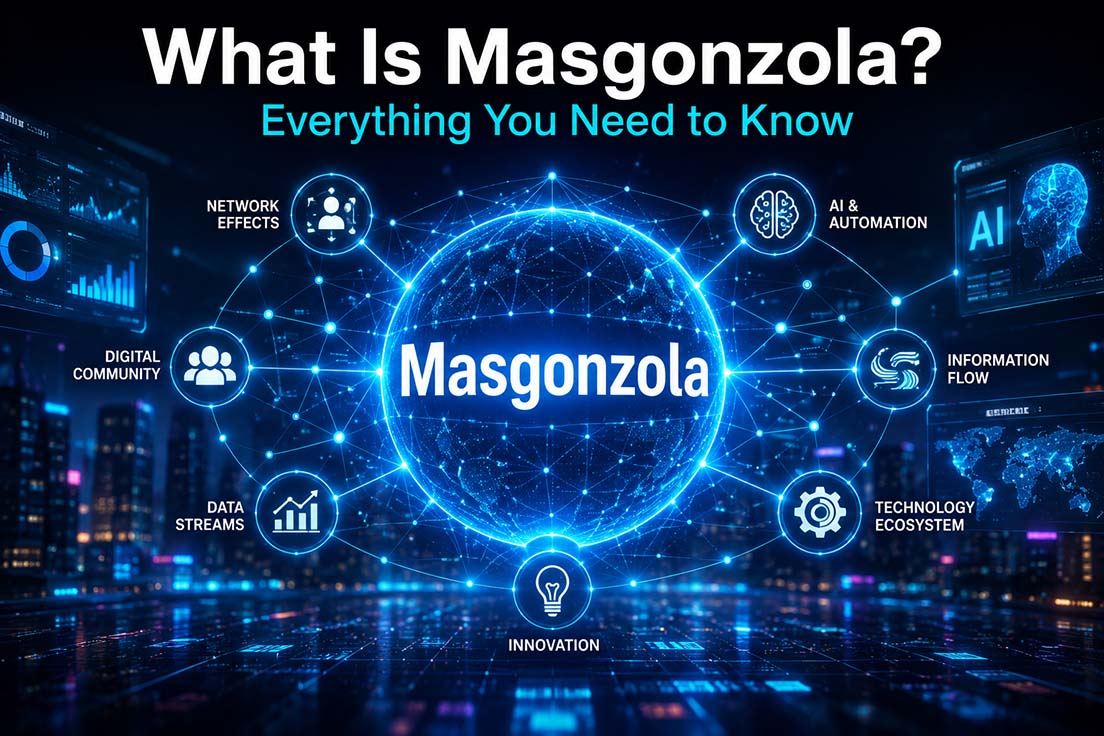
Introduction of Masgonzola
The digital world constantly introduces new concepts, frameworks, and ideas that spark curiosity among technology enthusiasts. One term that has recently appeared across blogs, online discussions, and innovation-focused communities is Masgonzola. Although it is not yet a widely recognized technology platform or officially established industry standard, the concept has attracted attention because of its association with digital innovation, network influence, strategic thinking, and the way ideas spread across modern ecosystems. Understanding what this emerging concept represents can help businesses, entrepreneurs, and technology professionals better navigate today’s rapidly evolving digital landscape.
Understanding the Concept Behind Masgonzola
In technology and innovation circles, new terminology often emerges to describe changing patterns, behaviors, or frameworks. Rather than referring to a specific software product, application, or company, this concept is commonly discussed as a framework for understanding how ideas, technologies, communities, and influence interact within digital environments.
At its core, the concept focuses on several key areas:
- Digital influence
- Community-driven growth
- Network effects
- Information flow
- Innovation adoption
- Strategic positioning
As technology ecosystems become increasingly interconnected, businesses must understand not only how products function but also how ideas spread among users, communities, and markets.
Why Emerging Technology Concepts Matter
Throughout technology history, many influential ideas began as niche concepts before becoming mainstream.
Examples include:
- Cloud computing
- Open-source development
- Social networking
- Blockchain technology
- Artificial intelligence
- Digital transformation
Many of these terms initially seemed unfamiliar but eventually became essential components of modern business and technology strategies.
Similarly, new conceptual frameworks can provide fresh perspectives on how organizations approach growth, communication, and innovation.
The Relationship Between Technology and Network Effects
One of the most important principles associated with this concept is the idea of network effects.
Network effects occur when a product, service, or platform becomes more valuable as more people use it.
Examples include:
Social Media Platforms
As more users join a social platform, the value of participating increases because users gain access to larger communities and more content.
Communication Tools
Messaging applications become increasingly useful as more contacts adopt them.
Online Marketplaces
Buyers attract sellers, and sellers attract buyers, creating a self-reinforcing cycle of growth.
Understanding these dynamics helps organizations design products that encourage participation and sustained engagement.
How Digital Communities Influence Success
Technology products rarely succeed solely because of their technical capabilities.
In many cases, community support plays a crucial role.
Successful digital ecosystems often benefit from:
- Active user communities
- Developer participation
- Content creation
- User-generated feedback
- Brand advocacy
- Organic recommendations
Communities create trust and help accelerate adoption, especially when users share experiences and recommendations with others.
Strategic Thinking in Modern Technology
Technology leaders increasingly recognize that success depends on more than innovation alone.
Several strategic factors influence outcomes:
User Perception
How people view a product often impacts adoption as much as the product itself.
Storytelling
Clear messaging helps users understand value and purpose.
Trust Building
Trust remains one of the most important factors in technology adoption.
Long-Term Vision
Organizations that maintain a consistent vision often develop stronger market positions over time.
These elements contribute to sustainable growth and help organizations navigate competitive environments.
The Role of Digital Ecosystems
Modern technology no longer operates in isolation.
Most successful products exist within broader ecosystems that include:
- Customers
- Developers
- Partners
- Content creators
- Investors
- Industry influencers
These interconnected participants contribute to growth and innovation.
When organizations understand ecosystem dynamics, they can identify opportunities for collaboration and expansion.
Innovation and Information Flow
Information travels faster than ever before.
A single idea can spread globally within hours through:
- Social media platforms
- Online communities
- Industry forums
- News websites
- Professional networks
- Content-sharing platforms
Understanding how information moves through these channels helps businesses anticipate trends and respond more effectively to market changes.
Practical Applications in Technology Strategy
Although the concept remains relatively new, several practical lessons can be applied immediately.
Focus on Community Building
Organizations should invest in creating meaningful relationships with users.
Encourage Collaboration
Open communication often leads to stronger innovation outcomes.
Prioritize User Experience
A positive experience increases retention and advocacy.
Create Clear Messaging
People are more likely to support products they understand.
Monitor Digital Trends
Staying informed helps organizations adapt to changing environments.
These principles are relevant across industries, from startups to large enterprises.
The Growing Importance of Digital Influence
Influence has become a major factor in technology adoption.
People frequently discover new technologies through:
- Industry experts
- Social media creators
- Professional recommendations
- Online reviews
- Community discussions
As a result, organizations increasingly focus on building credibility and visibility within relevant communities.
Influence is no longer limited to traditional marketing channels. Instead, it emerges through authentic engagement and valuable contributions to conversations.
Challenges Associated with Emerging Frameworks
Every new concept faces challenges.
Some common concerns include:
Lack of Standard Definitions
Different sources may interpret the concept differently.
Limited Academic Research
New frameworks often lack extensive formal studies.
Rapid Evolution
Technology trends change quickly, making long-term predictions difficult.
Misinterpretation
Without clear explanations, emerging ideas can be misunderstood.
These challenges highlight the importance of critical thinking and ongoing research.
Technology Trends Supporting These Ideas
Several major trends align with the principles associated with this concept:
Artificial Intelligence
AI systems increasingly rely on large networks of data, users, and interactions.
Creator Economies
Individuals can influence markets through content and community building.
Decentralized Technologies
Distributed systems emphasize collaboration and network participation.
Digital Communities
Online communities continue to shape consumer behavior and technology adoption.
Data-Driven Decision Making
Organizations increasingly use data to understand user behavior and optimize outcomes.
Together, these trends demonstrate how interconnected modern technology ecosystems have become.
Learning More About Digital Innovation
Professionals interested in understanding innovation frameworks can explore resources from trusted organizations such as the World Economic Forum, which regularly publishes research and insights on technology, digital transformation, and future trends.
Studying broader technology developments can provide valuable context for understanding emerging concepts and their potential impact on industries.
Future Outlook
As technology continues evolving, new frameworks and strategic models will emerge to help explain changing market dynamics.
Whether this concept becomes a widely accepted framework or remains a niche discussion point, it highlights several important realities:
- Technology adoption is influenced by communities.
- Network effects drive growth.
- Digital influence shapes perceptions.
- Strategic communication matters.
- Ecosystems are becoming increasingly interconnected.
Organizations that understand these principles may be better positioned to adapt to future technological changes.
FAQs
What does Masgonzola mean in technology?
It is generally discussed as a conceptual framework related to digital influence, network effects, community growth, and innovation adoption rather than a specific software product.
Is it an actual technology platform?
No widely recognized platform currently exists under this name. Most discussions describe it as an idea or strategic framework rather than a commercial technology solution.
Why is it gaining attention online?
The concept attracts interest because it explores how ideas, communities, and influence contribute to growth in modern digital ecosystems.
How can businesses apply these principles?
Organizations can focus on community engagement, strong communication, user experience, and strategic positioning to strengthen growth opportunities.
Is the concept officially recognized by the technology industry?
At present, it appears to be an emerging idea rather than a formally established industry standard or academic framework.
Conclusion
As digital ecosystems continue to evolve, Masgonzola represents an interesting way of thinking about technology, influence, community participation, and innovation adoption. While it may still be an emerging concept, the underlying principles of network effects, strategic communication, and ecosystem-driven growth remain highly relevant for businesses and technology professionals seeking long-term success in an increasingly connected world.
Read Also: What Is Toastul? Everything You Need to Know


