Masgonzola: Features, Benefits, and More
Introduction
Food trends come and go, but some concepts capture attention because they blend tradition with creativity. Masgonzola is one such term that has sparked curiosity among food enthusiasts, lifestyle bloggers, and culinary explorers. Often associated with a creamy fusion of mascarpone and gorgonzola-inspired flavors, it represents a modern approach to gourmet food culture. Whether viewed as a specialty cheese concept, a culinary innovation, or a symbol of artisan craftsmanship, it continues to generate interest among those who appreciate unique dining experiences.
Understanding the Concept
The term is commonly linked to the idea of combining the smooth richness of mascarpone with the distinctive character of gorgonzola-style cheese. While there is no universally standardized definition, many culinary discussions describe it as a creamy, balanced, and approachable interpretation of traditional blue cheese flavors.
This appeal comes from its ability to offer complexity without overwhelming the palate. For many consumers, it represents a bridge between mild cheeses and stronger aged varieties.
Why It Has Gained Popularity
Several factors have contributed to growing interest:
- Increased demand for artisan foods
- Rising popularity of gourmet cheese boards
- Interest in unique culinary experiences
- Social media influence on food culture
- Consumer preference for premium ingredients
Modern diners often seek products that offer both authenticity and innovation, making concepts like this especially attractive.
Origins and Inspiration
The inspiration behind the concept appears rooted in Northern Italian cheesemaking traditions. Both mascarpone and gorgonzola have long histories within Italian cuisine and are celebrated worldwide for their distinctive qualities. Combining the creamy richness of one with the bold character of the other creates an interesting balance that appeals to a wide audience.
Traditional Italian food culture values craftsmanship, quality ingredients, and regional heritage. These same principles are reflected in many discussions surrounding this emerging gourmet trend.
Key Features
Rich and Creamy Texture
One of the most frequently mentioned characteristics is its luxurious texture.
Consumers often appreciate:
- Smooth consistency
- Spreadable quality
- Creamy mouthfeel
- Balanced density
This texture makes it highly versatile in both simple and sophisticated dishes.
Balanced Flavor Profile
Unlike intensely sharp blue cheeses, many descriptions emphasize a milder flavor experience.
Typical flavor notes may include:
- Creamy richness
- Gentle tanginess
- Subtle earthiness
- Mild savory depth
- Slight sweetness
This balance helps make it accessible to individuals who may not normally enjoy stronger cheese varieties.
Artisan Appeal
Consumers increasingly value foods that feel handcrafted and authentic.
Characteristics associated with artisan products include:
- Small-batch production
- Quality ingredients
- Traditional techniques
- Unique flavor profiles
- Attention to detail
These qualities contribute significantly to the growing fascination with specialty cheese concepts.
Benefits for Food Enthusiasts
Versatility in the Kitchen
One major advantage is flexibility.
It can complement:
- Appetizers
- Salads
- Pasta dishes
- Sandwiches
- Flatbreads
- Gourmet sauces
This versatility makes it a favorite among home cooks and professional chefs alike.
Elevated Dining Experiences
Specialty foods often transform ordinary meals into memorable experiences.
A carefully selected artisan cheese can:
- Add depth to recipes
- Enhance presentation
- Introduce new flavors
- Encourage culinary experimentation
Suitable for Entertaining
Hosting guests often involves creating a memorable food presentation.
A premium cheese selection can help:
- Create attractive charcuterie boards
- Encourage conversation
- Showcase culinary creativity
- Offer diverse flavor combinations
Nutritional Considerations
Like many dairy-based products, gourmet cheeses typically provide several nutrients.
Potential nutritional benefits include:
- Protein
- Calcium
- Phosphorus
- Vitamin A
- Healthy fats
Protein contributes to muscle maintenance, while calcium supports bone health. However, consumers should also be mindful of sodium and saturated fat content, which can vary depending on preparation methods and ingredients.
Moderation remains important as part of a balanced diet.
Popular Serving Ideas
Cheese Boards
One of the most popular ways to enjoy specialty cheeses is on a well-designed cheese board.
Suggested pairings include:
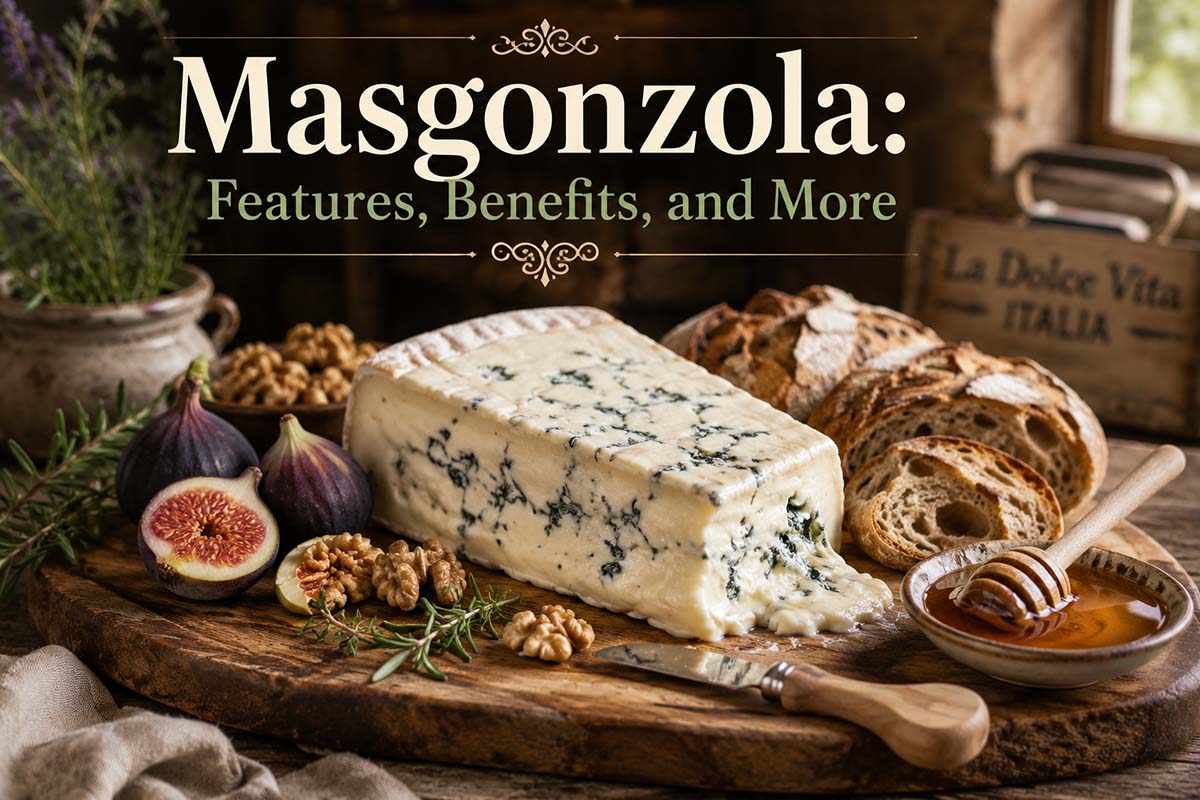
- Fresh figs
- Pear slices
- Grapes
- Walnuts
- Almonds
- Artisan crackers
- Crusty bread
The combination of sweet, savory, and crunchy elements creates a more dynamic tasting experience.
Pasta and Risotto
Creamy cheeses often work exceptionally well in Italian-inspired dishes.
They can be incorporated into:
- Cream sauces
- Risotto recipes
- Stuffed pasta
- Baked pasta dishes
The richness adds both flavor and texture.
Salads
Adding a creamy cheese element can transform a simple salad into a more satisfying meal.
Popular ingredients include:
- Arugula
- Spinach
- Roasted beets
- Pears
- Candied nuts
- Balsamic dressing
Gourmet Sandwiches
A small amount can elevate sandwiches by introducing depth and creaminess.
Popular combinations include:
- Roasted vegetables
- Turkey
- Prosciutto
- Caramelized onions
- Fresh herbs
Lifestyle Appeal Beyond Food
Interestingly, some modern discussions have expanded the concept beyond cuisine.
In certain online communities, the term has become associated with creativity, contrast, and the blending of different influences. Some writers even describe it as a symbol of combining traditional craftsmanship with contemporary innovation.
This broader interpretation aligns with current lifestyle trends that celebrate individuality, authenticity, and creative expression.
How Artisan Food Trends Are Shaping Consumer Preferences
Today’s consumers often seek products that tell a story.
Factors influencing purchasing decisions include:
- Origin of ingredients
- Production methods
- Sustainability
- Authenticity
- Cultural heritage
These trends have fueled demand for premium and specialty foods across global markets.
According to the official Food and Agriculture Organization of the United Nations, traditional food heritage and sustainable food systems continue to play an important role in preserving culinary diversity worldwide. Visit the FAO website for more information:
Choosing Quality Specialty Foods
When selecting artisan products, consider:
Ingredient Quality
Look for:
- Natural ingredients
- Minimal additives
- Transparent sourcing
Producer Reputation
Research:
- Customer reviews
- Brand history
- Production practices
Storage Recommendations
Proper storage helps preserve flavor and texture.
General tips include:
- Refrigerate appropriately
- Use airtight containers
- Follow manufacturer guidelines
- Consume within recommended timeframes
The Future of Gourmet Food Culture
The food industry continues evolving as consumers explore new flavors and experiences.
Emerging trends include:
- Artisan production
- Sustainable sourcing
- Small-batch foods
- Culinary storytelling
- Fusion cuisine
These developments suggest continued growth for specialty food concepts that combine tradition and innovation.
As interest in gourmet experiences increases, products inspired by classic culinary heritage are likely to remain popular among both casual consumers and dedicated food enthusiasts.
Frequently Asked Questions
What is Masgonzola?
It is commonly described as a gourmet cheese concept inspired by the creamy qualities of mascarpone and the distinctive character of gorgonzola-style cheese.
Is it a traditional Italian cheese?
There is no official classification recognizing it as a traditional protected Italian cheese. Most references describe it as a modern culinary concept rather than a formally regulated variety.
What foods pair well with it?
Popular pairings include figs, pears, walnuts, artisan bread, crackers, honey, and balsamic glaze.
Is it suitable for beginners who dislike strong blue cheese?
Many descriptions suggest it offers a milder and more approachable flavor compared to traditional blue cheeses.
Can it be used in cooking?
Yes. It is often associated with pasta dishes, salads, sauces, sandwiches, and gourmet appetizers.
Conclusion
As consumer interest in artisan foods and unique dining experiences continues to grow, Masgonzola represents the type of creative culinary concept that blends tradition, flavor, and innovation. Whether enjoyed as part of a gourmet cheese board, incorporated into recipes, or appreciated as a symbol of modern food culture, it highlights the ongoing evolution of contemporary lifestyle and dining trends.
Read Also: Brandi Loge: Everything You Need to Know